Europe’s Largest Apple Museum Opens in the Netherlands
Immersive technology archive showcases five decades of innovation
The newly inaugurated Apple Museum in Utrecht has opened its doors to the public, aligning its debut with the company’s 50th anniversary and presenting what is described as one of the most extensive collections of Apple-related artifacts globally. Located within a large retail complex, the site spans approximately 2,000 square meters and brings together thousands of items that trace the evolution of the company from its earliest days to the present.
The exhibition space is structured around a chronological narrative (chronologische vertelling) that follows Apple’s development across distinct technological eras. Visitors move through curated environments designed to reflect pivotal moments in the company’s history, including periods of corporate transition (bedrijfsomwenteling) and innovation cycles. Among the installations is a reconstructed garage scene referencing the company’s origins, alongside dedicated sections that illustrate the progression of hardware and software design across decades.
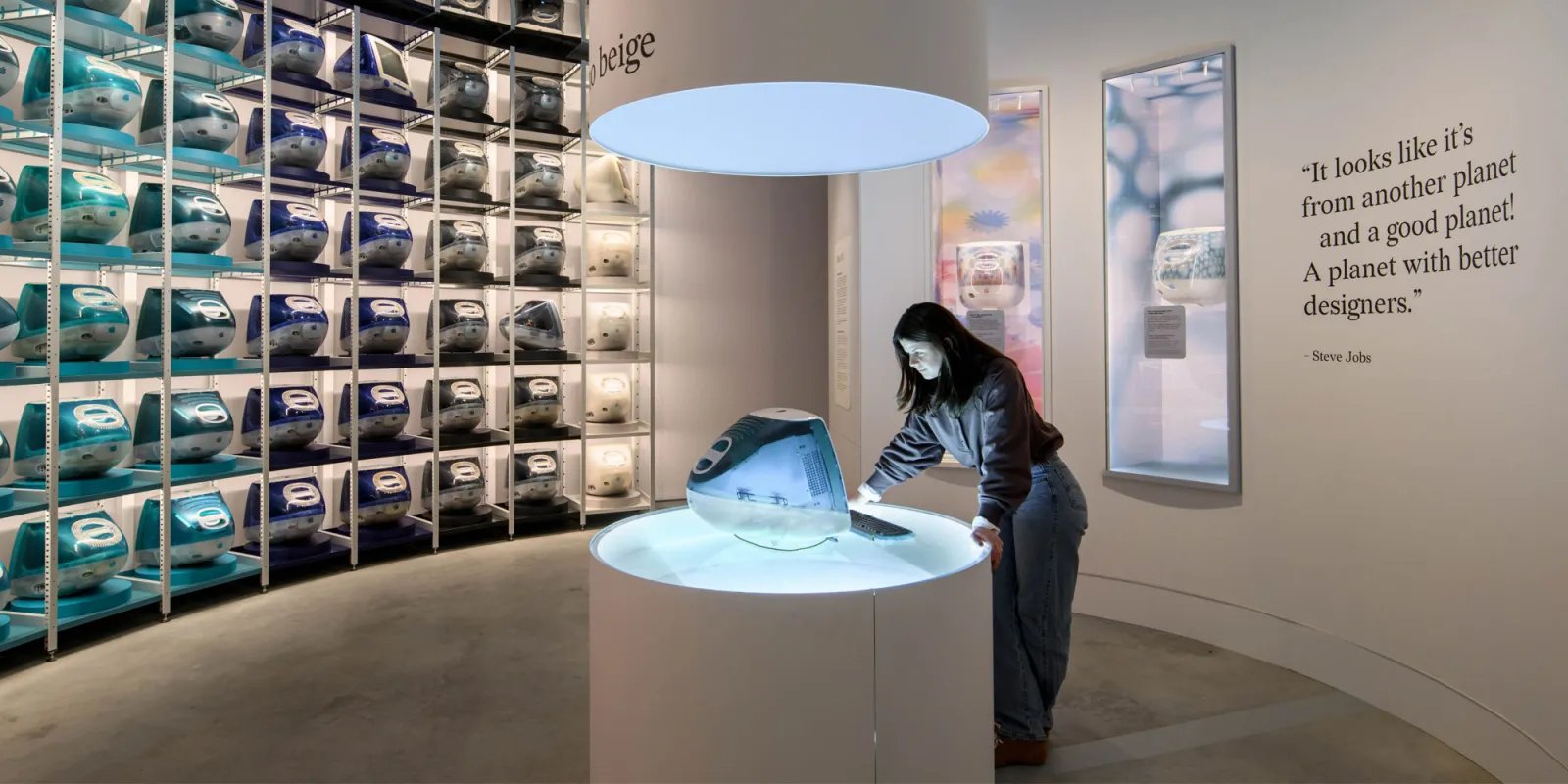
A central feature of the museum is its emphasis on product lineage (productlijnontwikkeling), with displays ranging from early personal computers to contemporary devices. Exhibits include vintage systems such as early Macintosh models, as well as later consumer electronics that defined Apple’s expansion into new markets. The collection also incorporates prototypes, accessories, and archival materials, offering insight into both design evolution (ontwerpontwikkeling) and manufacturing history.
The museum includes themed sections such as a corridor inspired by Apple’s “Think Different” campaign, which acts as a symbolic transition between phases of decline and recovery within the company’s history. This spatial arrangement reflects a deliberate focus on brand identity transformation (merkidentiteitstransformatie) and highlights how marketing and design strategies contributed to Apple’s resurgence in the late 1990s. The layout integrates visual storytelling with physical artifacts to reinforce the company’s innovation trajectory (innovatieontwikkeling).
According to the organizers, the collection was assembled through a collaborative effort involving more than 50 contributors, including technicians, historians, and private collectors. The project was initiated by entrepreneur Ed Bindels and developed under the Apple Museum Foundation, which coordinated the acquisition, restoration, and curation of items. The museum also incorporates pieces from a previous Dutch Apple collection, forming the basis of its archival consolidation (archiefconsolidatie) and expanding its scope into one of the largest assemblages of its kind in Europe.
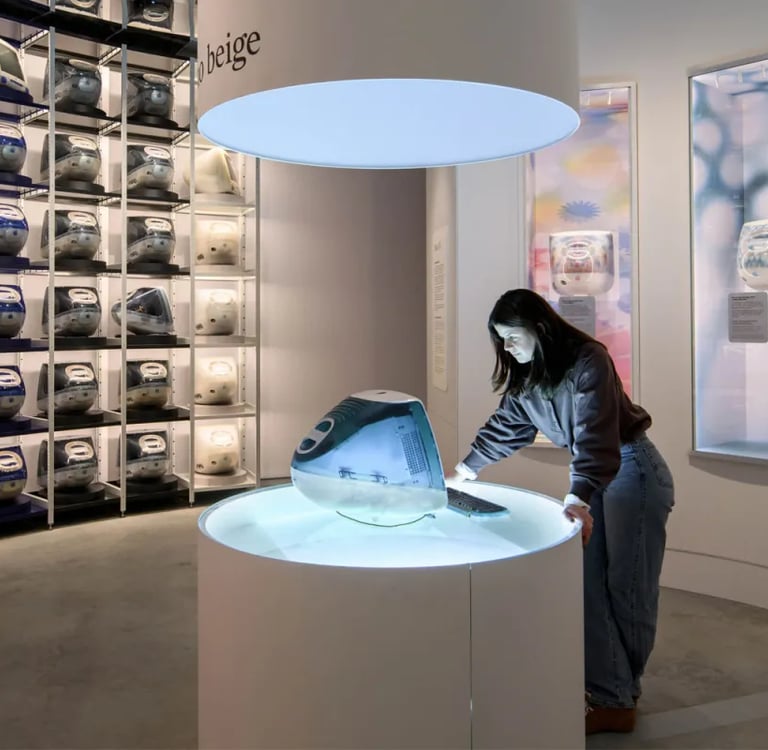
In addition to static displays, certain exhibits are interactive, allowing visitors to engage directly with functional devices. This approach supports a hands-on experience (praktische ervaring) that distinguishes the museum from traditional exhibitions focused solely on observation. Some installations recreate historical usage scenarios, enabling visitors to interact with early computing environments and software interfaces that defined previous technological eras.
The museum’s opening hours are structured with timed entry slots, typically operating between 10:00 a.m. and 5:00 p.m., with closures on specific weekdays. Admission pricing includes standard tickets for adults with reduced rates for students and younger visitors. The facility is situated in Utrecht with accessible parking infrastructure, supporting its role as a destination for both local and international visitors interested in technological history.
The creation of this institution reflects a broader trend of preserving digital heritage through physical exhibitions. By documenting Apple’s progression from early computing experiments to globally influential consumer electronics, the museum provides a structured representation of technological heritage preservation (technologisch erfgoedbehoud) and positions itself as a key reference point for understanding the evolution of personal technology over the past half-century.
For requests or suggestions: pr@dutchinstitute.com


Learn the official language of the Netherlands in 30 days thanks to the most complete Grammar, Vocabulary and Culture courses available. Start speaking today!
© Copyright 2026 Dutch Institute
Come visit the Netherlands!