Become DUTCH
SPEAK LIKE A REAL NATIVE
AUTHENTIC DUTCH LIVING
From its early medieval formation and rise as a maritime power to its golden age during the Dutch Golden Age of the 17th century, the Netherlands has played a crucial role in shaping European and global history. Its cultural identity reflects centuries of trade, exploration, and intellectual exchange, influenced by Roman foundations, Burgundian and Habsburg rule, and a strong tradition of independence and civic freedom. From historic canals and merchant houses to iconic windmills and modern urban design, the Netherlands offers a journey through a rich and continuously evolving cultural landscape.
After the devastation of the Second World War, the Netherlands underwent a profound transformation. The country rebuilt rapidly, becoming a founding member of the European Union and establishing itself as one of Europe’s most open, innovative, and internationally connected societies. Its thriving arts scene, global outlook, leadership in education, sustainability, and technology, and high quality of life reflect a nation that values both tradition and progress.
We have created a carefully curated selection of Dutch words and expressions that you won’t find in standard textbooks or courses. These terms help you go beyond surface-level language learning by revealing cultural nuances and historical layers embedded in the Dutch language—allowing you to not only speak but also think like a native speaker by deepening your understanding of the country and its people.
Speak and think like a real Dutch native!


EXPAND YOUR KNOWLEDGE
If you are serious about learning Dutch, we recommend that you download the Complete Dutch Master Course.
You will receive all the information available on the website in a convenient portable digital format as well as additional contents: over 15.000 Vocabulary Words and Useful Phrases, in-depth explanations and exercises for all Grammar Rules, exclusive articles with Cultural Insights that you won't find in any other textbook so you can amaze your Dutch friends thanks to your knowledge of their country and history.
With a one-time purchase you will also get hours of Podcasts to Practice your Dutch listening skills as well as Dialogues with Exercises to achieve your own Master Certificate.
Start speaking Dutch today!
APPELSTROOP
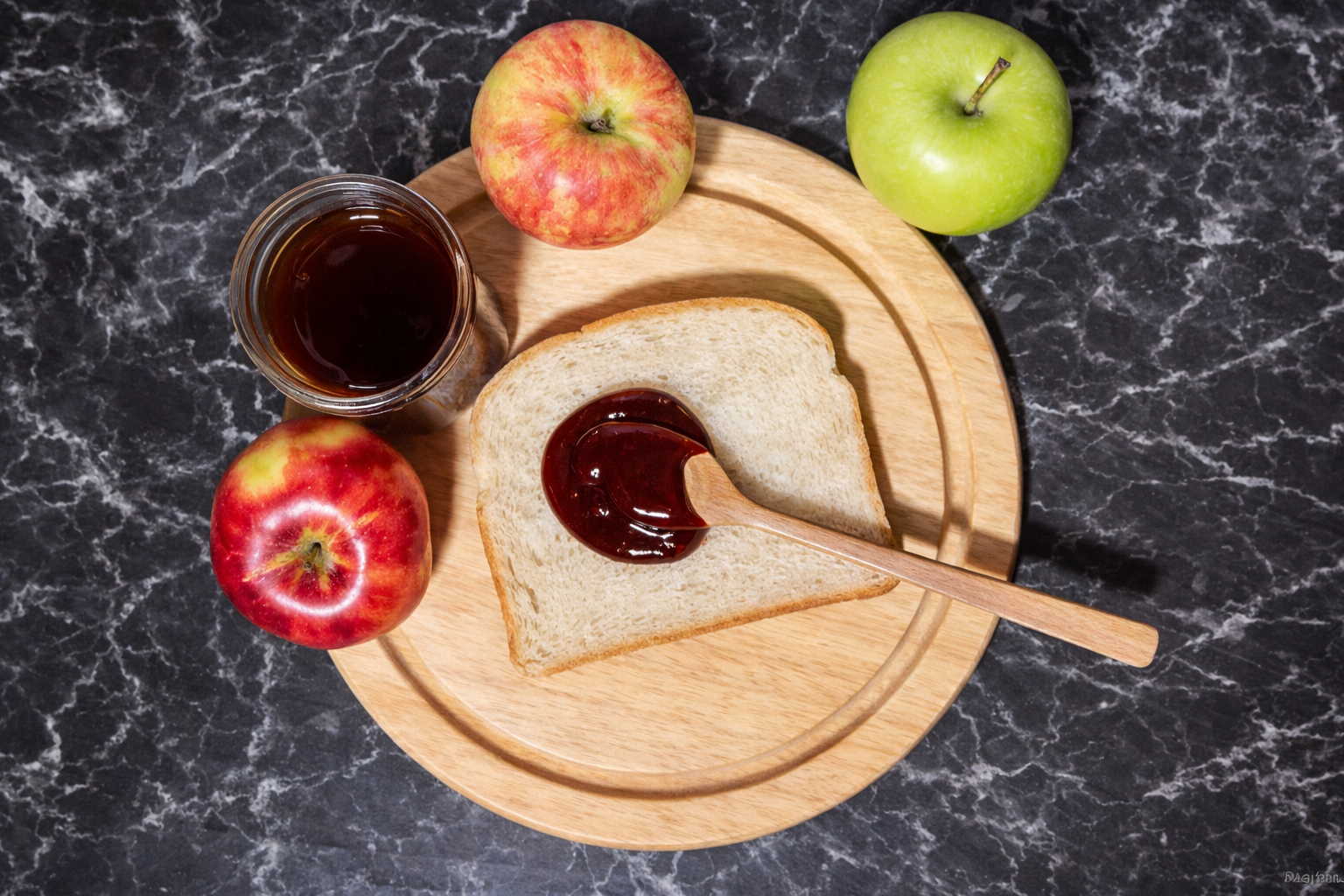
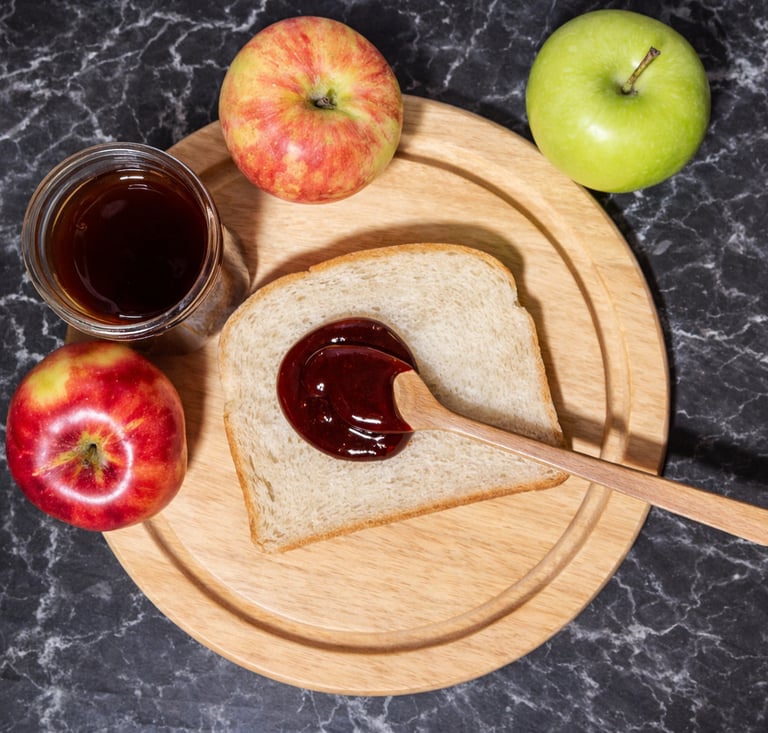
Appelstroop is a thick, dark fruit syrup that is a traditional spread in the Netherlands, with a history rooted in regional fruit preservation practices. Despite its name, appelstroop is not always made exclusively from apples. Traditional recipes often combine apples with pears and sometimes sugar beets, resulting in a complex sweet and slightly tart flavor that distinguishes it from apple butter or jam found in other countries. The product is cooked down slowly until the fruit sugars concentrate into a dense, molasses-like consistency.
Historically, appelstroop developed as a practical way to preserve fruit before the advent of refrigeration. In fruit-growing regions, particularly in the eastern and southern parts of the Netherlands, surplus apples and pears were boiled for long periods to prevent spoilage and extend their usability throughout the year. This method allowed households to store fruit in a stable form that could last for months, making appelstroop an important component of rural food security.
In Dutch food culture, appelstroop is most commonly eaten as a spread on bread, often paired with cheese, especially young or mildly aged varieties. The combination of sweet syrup and savory cheese is considered characteristic of Dutch taste preferences. Appelstroop is also used as an ingredient in cooking, where it may be added to stews, sauces, or marinades to provide sweetness and depth. Its use in savory dishes highlights the Dutch tradition of balancing sweet and salty flavors rather than separating them strictly into desserts and main courses.
Appelstroop differs significantly from apple butter, even though the two are sometimes compared internationally. Apple butter typically consists only of apples, spices, and sugar, and has a smoother, lighter texture. Appelstroop, by contrast, is denser, darker, and less spiced, with a more pronounced acidic note due to the inclusion of pears or beets. This gives it a sharper flavor profile that suits savory applications as well as sweet ones.
Today, appelstroop is widely available in supermarkets across the Netherlands, produced both by large manufacturers and smaller regional producers. While industrial production has standardized the product, traditional variations still exist, particularly in regions that emphasize local fruit varieties and older preparation methods. Appelstroop remains a familiar everyday food rather than a specialty item, commonly found on breakfast and lunch tables.
BRUINE KROEG
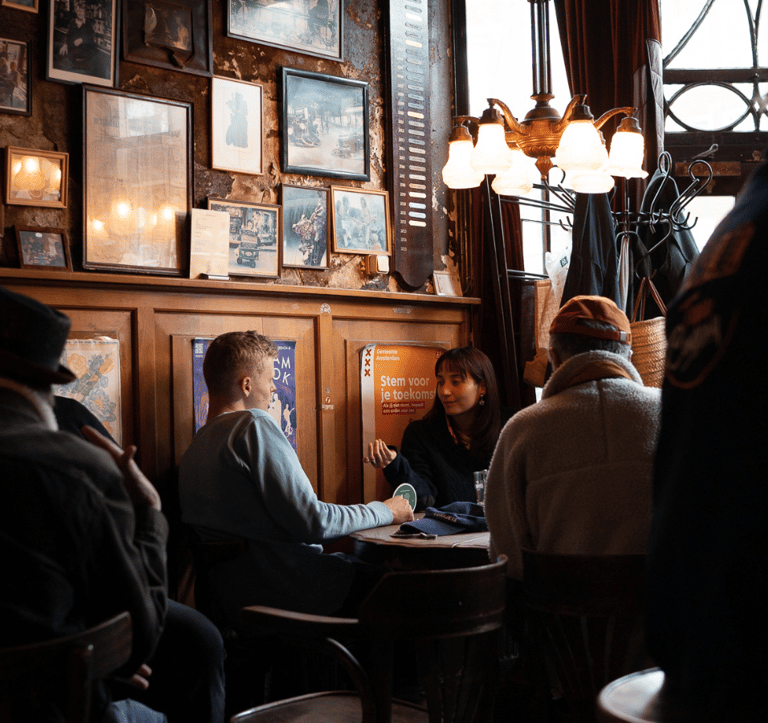
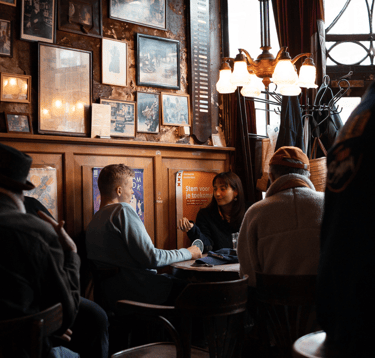
A bruine kroeg is a traditional Dutch pub characterized by a dark, cozy interior and a strong sense of local identity. The term literally means brown café, referring to the warm brown tones created by wooden interiors, aged furnishings, and years of tobacco smoke and candlelight. Bruine kroegen are found throughout the Netherlands and are especially common in older city centers and long established neighborhoods.
The origins of the bruine kroeg can be traced back to the nineteenth and early twentieth centuries, when cafés functioned as essential social spaces for local communities. These establishments were often frequented by workers, tradespeople, and nearby residents, serving as places to exchange news, discuss politics, and maintain social ties. Over time, the interiors naturally darkened due to smoking, limited lighting, and the accumulation of age, giving rise to the distinctive atmosphere that later became a defining feature rather than a byproduct.
A bruine kroeg typically has a compact layout with a bar as the central focal point. The décor often includes wooden paneling, stained glass, old photographs, clocks, and memorabilia connected to the neighborhood or city. Unlike modern bars designed around trends or themes, bruine kroegen tend to evolve slowly, preserving their appearance over decades. This continuity contributes to their reputation as authentic and unpretentious spaces.
The drinks served in a bruine kroeg are traditionally simple and familiar. Beer, jenever, and basic spirits are common, often poured without elaborate presentation. Food, if available, is usually limited to simple snacks such as cheese, sausage, or fried items. The emphasis is not on gastronomy but on conversation and social presence. Regular customers often know each other and the staff, reinforcing a sense of belonging.
Socially, the bruine kroeg plays an important role in Dutch urban life. It functions as a neutral meeting place where people from different backgrounds can interact. Unlike clubs or trend driven bars, bruine kroegen attract a mixed age group and are often visited repeatedly by the same clientele. This creates stable social networks and contributes to neighborhood cohesion.
In recent decades, bruine kroegen have faced pressure from rising rents, changing smoking laws, and shifts in drinking culture. Some have closed or transformed, while others have been preserved deliberately as cultural landmarks. In cities like Amsterdam, certain bruine kroegen are protected or promoted as part of local heritage, acknowledging their historical and social value.
COFFEESHOP
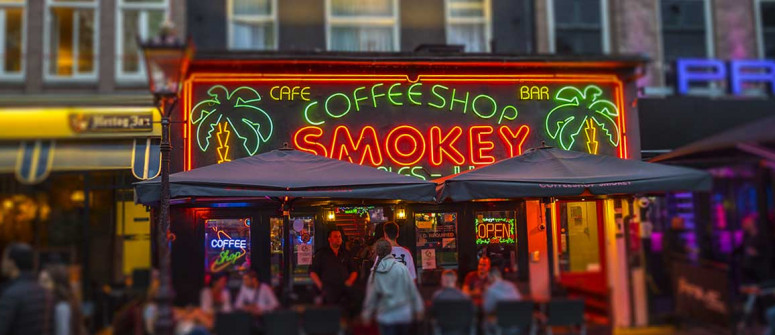
A coffeeshop in the Netherlands is a licensed establishment where cannabis can be sold and consumed under specific legal conditions. The term does not refer to a café serving coffee, although many coffeeshops also sell non alcoholic drinks. This usage is unique to the Netherlands and is closely associated with the country’s pragmatic approach to drug policy rather than with full legalization.
The Dutch coffeeshop system emerged in the 1970s as part of a broader policy shift that separated soft drugs from hard drugs. The central idea was that allowing regulated access to cannabis would reduce contact between users and criminal markets dealing in more dangerous substances. Cannabis itself remains technically illegal under Dutch law, but its sale and possession are tolerated under strict conditions, a policy known as gedoogbeleid, or tolerance policy.
Coffeeshops operate under rules set by national guidelines and enforced by local municipalities. They are allowed to sell limited quantities of cannabis to adults and must adhere to conditions such as not advertising, not selling to minors, and not causing public nuisance. Municipalities have significant autonomy in deciding whether coffeeshops are permitted at all and how many may operate within their boundaries. As a result, the availability and regulation of coffeeshops vary across the country.
The interior of a coffeeshop is typically designed to encourage calm, low key consumption rather than party style behavior. Seating areas, music at moderate volume, and an informal atmosphere are common. This reflects the policy goal of keeping cannabis use separated from nightlife excess and criminal activity. Alcohol sales are generally not permitted in coffeeshops, reinforcing the distinction between different substances.
Coffeeshops have played a significant role in shaping international perceptions of the Netherlands. For decades, they attracted tourists interested in cannabis, particularly in cities like Amsterdam. This led to tensions between local residents, authorities, and visitors, especially in border regions where drug tourism became a concern. In response, some municipalities introduced residency requirements or stricter enforcement to limit access to locals only.
Economically, coffeeshops operate as legitimate businesses, paying taxes and employing staff, but they face a legal contradiction known as the backdoor problem. While selling cannabis to customers is tolerated, the production and wholesale supply remain illegal. This inconsistency has been widely debated and has prompted experimental regulation of cannabis cultivation in recent years.
Culturally, the coffeeshop represents the Dutch preference for harm reduction and regulation over strict prohibition. Rather than framing cannabis use as a moral issue, Dutch policy treats it as a matter of public health and social order. The coffeeshop system continues to evolve, balancing domestic concerns, international pressure, and changing attitudes toward cannabis both within the Netherlands and abroad.
DELFTSBLAUW
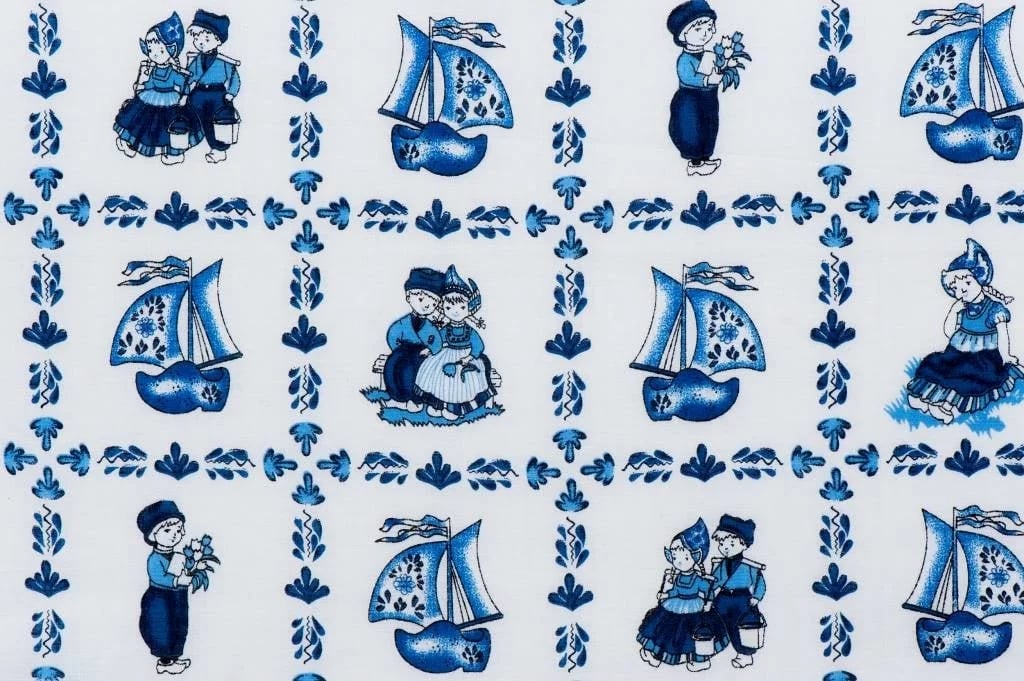
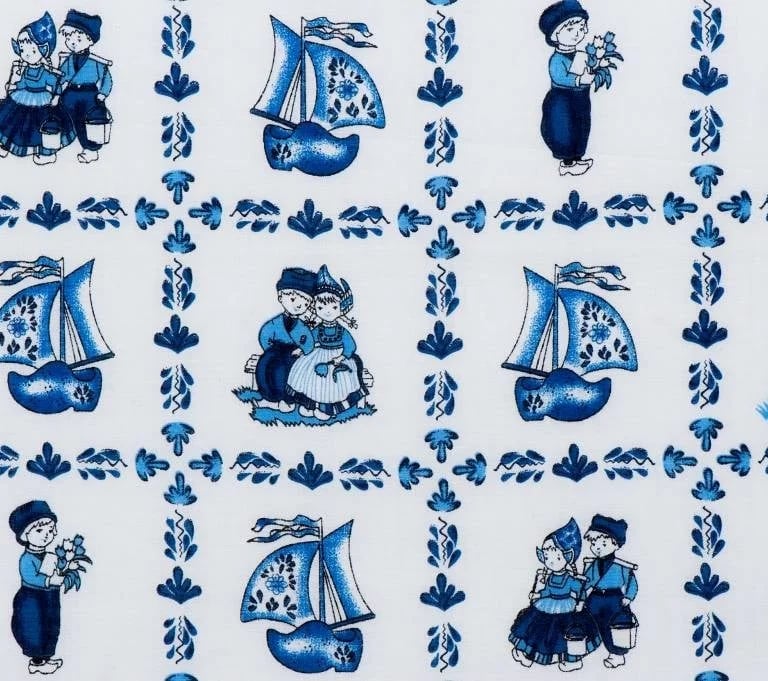
Delftsblauw refers to the distinctive blue and white pottery that originated in the Netherlands, particularly in the city of Delft. The style is characterized by white glazed earthenware decorated with hand painted blue designs, often depicting landscapes, floral motifs, ships, or scenes from everyday life. Delftsblauw is one of the most internationally recognized symbols of Dutch material culture and craftsmanship.
The development of Delftsblauw dates to the seventeenth century, during the Dutch Golden Age. At that time, the Netherlands was a major trading power, and large quantities of Chinese porcelain were imported by the Dutch East India Company. This porcelain was highly valued in Europe for its quality and blue and white decoration. When Chinese exports temporarily declined due to political instability in China, Dutch potters sought to imitate the appearance of this porcelain using locally available materials.
Because true porcelain production techniques were not yet known in Europe, Delft potters used tin glazed earthenware as an alternative. By applying an opaque white tin glaze, they created a surface that visually resembled porcelain. Cobalt oxide was used to produce the blue decoration, as it could withstand the high temperatures of the kiln without losing color. This combination gave Delftsblauw its characteristic appearance.
Although inspired by Chinese models, Delftsblauw quickly developed its own identity. Dutch motifs replaced or blended with Asian designs, reflecting local tastes and culture. Windmills, canals, biblical scenes, and Dutch landscapes became common subjects. Plates, tiles, vases, and decorative objects were produced in large quantities, serving both domestic and export markets. Delft became a major center of production, although similar pottery was made in other Dutch cities as well.
Delftsblauw tiles were especially important in Dutch interiors. They were used to decorate fireplaces, kitchens, and walls, valued for their durability and ease of cleaning as well as their decorative appeal. Tile panels often told stories or illustrated moral lessons, blending function with visual culture. These tiles were also exported and influenced interior design in other parts of Europe.
The popularity of Delftsblauw declined in the eighteenth century as true porcelain production spread across Europe and tastes shifted. Many Delft workshops closed, and the tradition nearly disappeared. However, renewed interest in national heritage during the nineteenth century led to a revival of Delftsblauw as a symbol of Dutch identity. Factories were reestablished, often emphasizing historical techniques and designs.
DRAAIORGEL
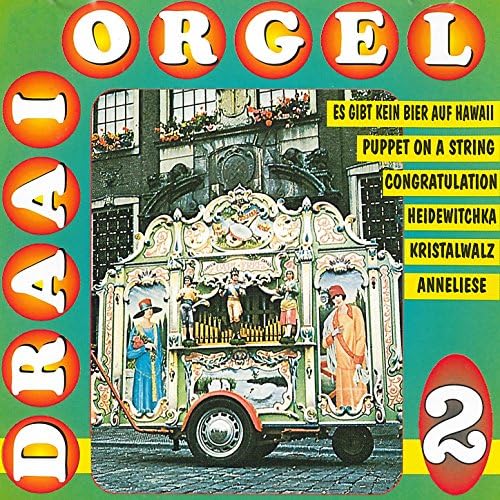
A draaiorgel is a large mechanical street organ that has long been a familiar feature of Dutch urban life. These instruments are designed to play music automatically by means of a rotating mechanism, traditionally powered by hand cranks and later by electric motors. The draaiorgel is particularly associated with public spaces such as city squares, shopping streets, and markets, where it serves as both musical entertainment and a visual attraction.
The origins of the draaiorgel can be traced to nineteenth century Europe, when mechanical organs were developed as a way to bring music to public spaces without the need for trained musicians. In the Netherlands, the instrument became especially popular due to dense urban environments and a strong tradition of street life. The size and volume of the Dutch draaiorgel distinguish it from smaller barrel organs found elsewhere, allowing it to project sound over busy streets.
Technically, a draaiorgel operates using a pinned wooden cylinder or a perforated cardboard book that controls which notes are played. As the mechanism turns, air is directed through pipes of varying lengths, producing different pitches. The complexity of the music depends on the size of the organ and the number of pipes it contains. Larger organs can reproduce multi voice arrangements, including melodies, harmonies, and rhythmic accompaniment.
Draaiorgels are often richly decorated, featuring painted panels, carved figures, and moving elements. These visual components are not merely decorative but serve to attract attention and create a sense of spectacle. Historically, organ owners invested heavily in elaborate designs to stand out from competitors and draw larger crowds. The visual identity of a draaiorgel is therefore closely linked to its economic function as a street performance instrument.
Musically, the repertoire of the draaiorgel has evolved over time. Early instruments played folk songs, marches, and popular tunes of their era. As musical tastes changed, arrangements of contemporary songs, film music, and even classical pieces were added. This adaptability has allowed the draaiorgel to remain relevant across generations, despite its mechanical nature.
Socially, the draaiorgel occupies an ambiguous position. For some, it represents nostalgia and tradition, evoking memories of childhood and historic city centers. For others, its loud sound is experienced as intrusive in modern urban environments. As a result, municipalities often regulate where and when draaiorgels may be played, balancing cultural heritage with concerns about noise and public space use.
Culturally, the draaiorgel is considered part of Dutch intangible heritage. Enthusiast groups and foundations work to preserve historic instruments, restore damaged organs, and document their history. Museums and special events also play a role in maintaining public awareness of this tradition.
DROP
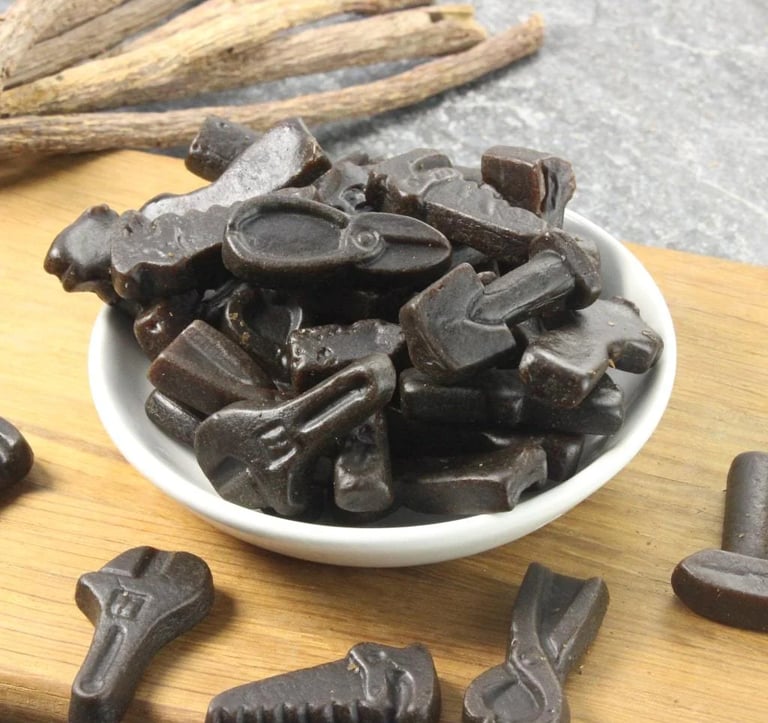
Drop is the Dutch term for licorice and refers to a broad category of sweets that occupy a unique and deeply rooted place in Dutch food culture. While licorice is consumed in many countries, Dutch drop is distinctive in both variety and flavor profile, particularly due to the popularity of salty and intensely flavored types that are uncommon elsewhere. Drop is not considered a niche or seasonal product but an everyday confection eaten by people of all ages.
The origins of drop in the Netherlands date back several centuries. Licorice root was originally used for medicinal purposes, valued for its soothing effects on the throat and digestive system. Apothecaries sold licorice extracts, and over time these preparations evolved into edible sweets. As sugar became more widely available, drop shifted from a medicinal product to a popular treat, while still retaining associations with health in some traditional beliefs.
What sets Dutch drop apart is the range of flavors and textures. In addition to sweet varieties, the Netherlands is especially known for salty drop, which contains ammonium chloride. This ingredient produces a sharp, savory taste that many Dutch consumers prefer and actively seek out. The intensity of salty drop can be surprising to those unfamiliar with it, but within the Netherlands it is widely accepted and normalized from a young age.
Drop also varies in shape and consistency. It can be hard or soft, chewy or firm, glossy or matte. Shapes often include coins, diamonds, animals, or abstract forms, and many types carry specific names recognized nationwide. This diversity allows consumers to develop strong personal preferences, and discussions about favorite kinds of drop are common in everyday conversation.
Culturally, drop is more than a sweet snack. It is closely tied to Dutch identity and is frequently mentioned as an example of something typically Dutch. Drop is sold in supermarkets, convenience stores, markets, and specialty shops, often in large assortments. It is common to buy mixed selections by weight, reflecting a culture of sampling and variety.
Unlike candy consumption in some countries, eating drop is not limited to children. Adults commonly eat drop at work, at home, or while traveling, and it is often offered to guests. This normalizes candy consumption as part of daily life rather than an occasional indulgence. Drop is also sometimes consumed alongside coffee or tea, further integrating it into routine habits.
From an international perspective, Dutch drop has a strong reputation, both positive and negative. While many visitors find the salty varieties challenging, others develop an appreciation for their complexity. As a result, drop has become a culinary marker of Dutchness, symbolizing both national taste preferences and cultural distinctiveness.
ELFSTEDENTOCHT
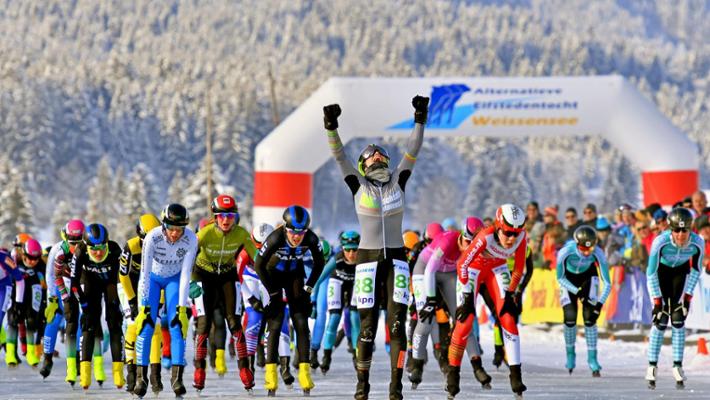
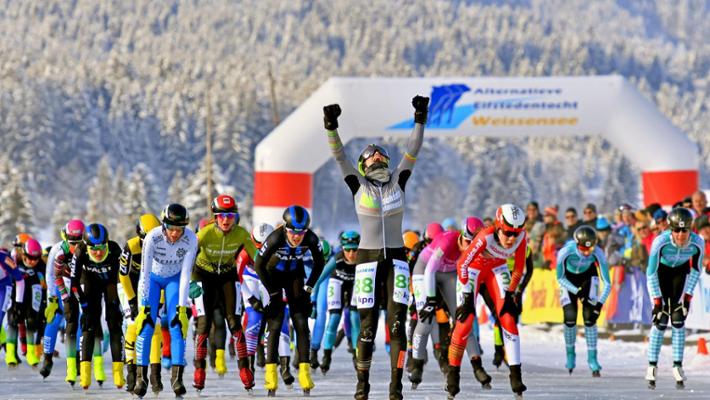
The Elfstedentocht is a legendary long distance ice skating event associated with the northern Dutch province of Friesland. The name means Eleven Cities Tour and refers to the route that passes through eleven historic Frisian cities connected by canals, rivers, and lakes. With a total distance of approximately two hundred kilometers, the Elfstedentocht is one of the longest and most demanding skating events in the world.
The origins of the Elfstedentocht lie in informal skating tours that took place as early as the eighteenth and nineteenth centuries, when frozen waterways were an essential part of winter transportation in Friesland. Skating was not only recreational but also practical, allowing people to travel between towns during periods of severe frost. Over time, these individual journeys evolved into organized tours, and in 1909 the first official Elfstedentocht was held under the supervision of a formal association.
A defining characteristic of the Elfstedentocht is that it can only take place when natural ice conditions are sufficient along the entire route. This requires prolonged periods of low temperatures, typically below freezing for several weeks. Because the Netherlands has a relatively mild maritime climate, these conditions are rare. As a result, the Elfstedentocht has been held only a limited number of times, making each occurrence highly significant.
The event is open to both professional and amateur skaters, although strict qualification standards apply. Participants must complete the entire route within a set time limit and collect stamps at each of the eleven cities as proof of completion. Successfully finishing the tour earns the skater a commemorative cross, which holds strong symbolic value in Dutch skating culture.
Beyond its athletic challenge, the Elfstedentocht is a major national event. When conditions appear favorable, anticipation builds across the country, with extensive media coverage and public discussion. The announcement that the tour will take place is treated as a historic moment, often described as bringing the entire nation to a standstill. Schools, workplaces, and public institutions adjust schedules as large numbers of people follow the event.
The Elfstedentocht also has strong cultural significance for Friesland in particular. It highlights the region’s unique landscape, language, and traditions, reinforcing Frisian identity within the Netherlands. Along the route, residents gather to support skaters, turning the event into a communal celebration despite the physical demands and harsh weather.
Climate change has made the future of the Elfstedentocht increasingly uncertain. Winters with sufficiently thick natural ice have become less frequent, leading to long gaps between editions. This has heightened the symbolic importance of past tours and intensified public nostalgia for traditional winter conditions.

GOUDA
Gouda is a semi hard cheese style that takes its name from the Dutch town of Gouda, although the cheese itself has historically been produced across a wide region of the Netherlands. The name refers to the place where cheeses were traditionally traded and sold rather than the exact location of production. Gouda is one of the most widely produced and exported cheeses in the world and represents a significant part of Dutch agricultural and culinary history.
The origins of Gouda cheese date back to the Middle Ages. As early as the twelfth century, farmers in the low lying peat areas of Holland produced cheese from cow’s milk as a way to preserve surplus dairy. Gouda developed as a wheel shaped cheese that could be stored, transported, and traded efficiently. The town of Gouda became a central marketplace where farmers from surrounding regions brought their cheeses to be weighed, priced, and sold, giving the cheese its enduring name.
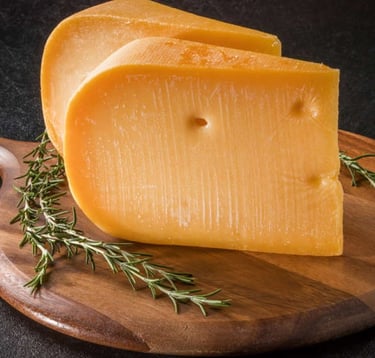
Traditional Gouda is made from cow’s milk and undergoes a process in which part of the whey is removed and replaced with warm water. This washing step reduces lactose content and contributes to the cheese’s mild, slightly sweet flavor. After pressing into large wheels, the cheese is brined, dried, and aged for varying lengths of time. Aging can range from a few weeks to several years, significantly affecting texture and taste.
Young Gouda is soft, elastic, and mild, often described as creamy and slightly sweet. As the cheese matures, it becomes firmer, darker in color, and more complex in flavor. Older Gouda develops caramel like notes and crunchy protein crystals, which are considered a sign of quality rather than a flaw. These variations make Gouda suitable for both everyday consumption and more specialized tasting.
Gouda plays a central role in Dutch daily eating habits. It is commonly eaten sliced on bread for breakfast or lunch, served in cubes as a snack, or used in cooking. Unlike cheeses reserved for special occasions, Gouda is an everyday product found in nearly every household. Its versatility and consistent quality have contributed to its widespread popularity.
From a regulatory perspective, not all cheese labeled as Gouda is produced in the Netherlands. International versions are made in many countries, often using industrial methods. However, certain designations such as Gouda Holland are protected within the European Union, indicating that the cheese is made in the Netherlands from Dutch milk and according to specific standards. This distinction aims to preserve traditional production and regional authenticity.
Economically, Gouda cheese is a major export product for the Netherlands. Large scale dairy cooperatives and producers supply global markets, while smaller artisanal producers focus on traditional methods and extended aging. Both segments contribute to the international reputation of Dutch cheese.
GRACHT
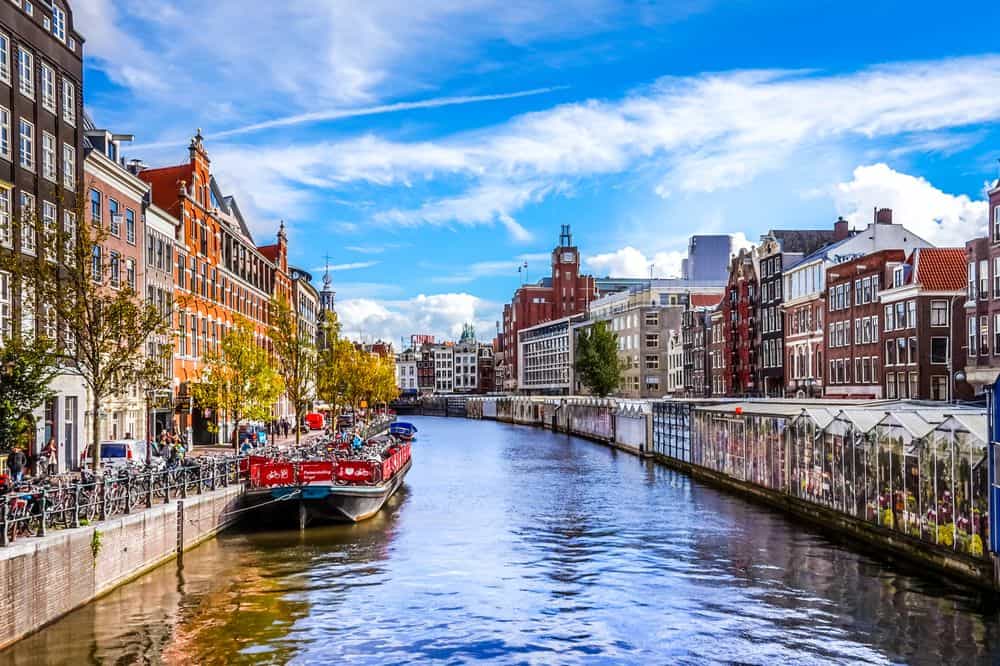
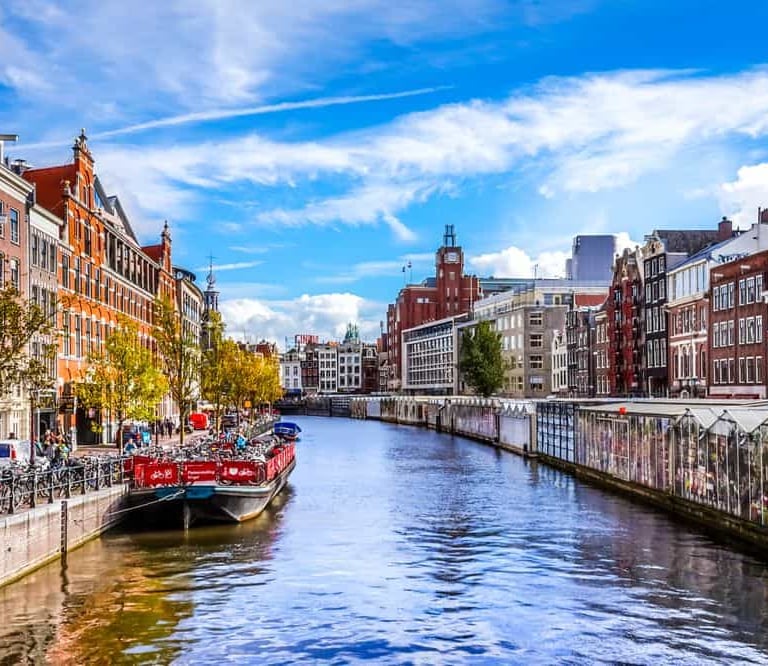
A gracht is a canal that forms an integral part of planned urban design in the Netherlands. Unlike natural waterways, a gracht is a man-made canal constructed specifically for transport, water management, defense, and urban organization. Grachten are most closely associated with historic Dutch cities such as Amsterdam, Utrecht, and Leiden, where they structure both the physical layout and the social life of the city.
The development of grachten began in the Middle Ages and intensified during the seventeenth century, particularly during the Dutch Golden Age. Rapid urban growth, expanding trade, and the need for efficient transport led city planners to incorporate canals directly into urban expansion plans. Grachten allowed goods to be delivered by boat directly to warehouses and homes, reducing reliance on overland transport in densely built areas.
Water management was a central function of the gracht. In a country where large areas lie at or below sea level, controlling water levels was essential. Grachten helped regulate groundwater, drain excess rainwater, and maintain stable urban conditions. They were connected to larger canal and river systems through locks and sluices, allowing precise control over water flow. This technical role remains important even today, although largely invisible to residents.
In cities like Amsterdam, grachten were also a marker of social and economic status. Wealthier merchants built houses along the main canals, using them both as residences and places of business. These canal houses were designed with narrow façades and deep interiors, reflecting taxation rules and limited urban space. The gracht thus became a space where commerce, domestic life, and infrastructure overlapped.
Grachten also served defensive purposes. In earlier periods, canals functioned as barriers against invasion and unrest, often combined with city walls and gates. Although this role diminished over time, it influenced the circular or semi-circular layouts still visible in many historic city centers.
As cities modernized in the nineteenth and twentieth centuries, some grachten were filled in to make room for roads and railways. Others were preserved or restored as awareness of their cultural and environmental value increased. Today, many grachten are protected as historical monuments and are central to urban identity and tourism.
Beyond their practical functions, grachten shape everyday urban experience. They influence traffic patterns, property values, and public space usage. Boats, houseboats, and waterside terraces all depend on the continued presence of canals as living infrastructure rather than static heritage.
In contemporary urban planning, the gracht is often cited as an example of integrated design, where infrastructure, housing, and public space are combined. The continued use of historic canals demonstrates how long-term planning and water management have shaped Dutch cities in ways that remain functional centuries after their construction.
HAGELSLAG
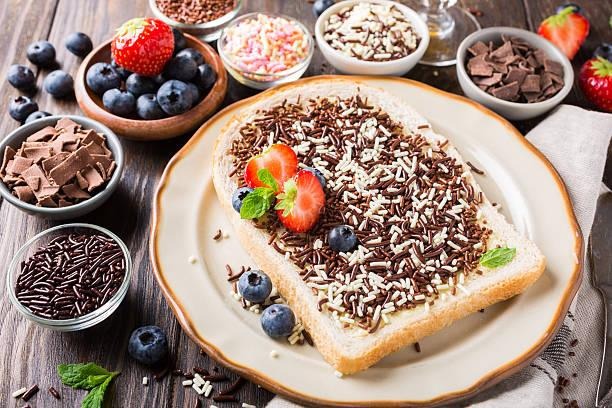
Hagelslag refers to small chocolate sprinkles that are traditionally eaten on bread in the Netherlands, most commonly at breakfast or lunch. While sprinkles exist in many countries as cake decorations, hagelslag occupies a unique position in Dutch food culture as an everyday bread topping rather than a confection used primarily for baking. It is widely consumed across age groups and social backgrounds and is considered a normal, even routine, part of daily meals.
The origins of hagelslag date back to the early twentieth century. The product was first introduced commercially in the Netherlands in 1919, initially in the form of aniseed based sugar sprinkles. Chocolate hagelslag followed later, becoming the most popular variety. The name hagelslag literally means hailstorm, a reference to the small pellet like shape of the sprinkles and their visual resemblance to hailstones scattered across bread.
In traditional use, hagelslag is sprinkled generously onto a slice of bread that has first been spread with butter or margarine. The fat layer is essential, as it helps the sprinkles adhere to the bread. Without butter, the hagelslag would fall off, making the combination incomplete by Dutch standards. This detail reflects the functional logic often found in Dutch eating habits, where preparation methods are shaped by practicality.
Several types of hagelslag are available, including milk chocolate, dark chocolate, white chocolate, and mixed varieties. There are also fruit flavored and aniseed versions, though chocolate remains the dominant choice. By regulation, chocolate hagelslag in the Netherlands must contain a minimum percentage of cocoa solids, distinguishing it from similar products in other countries that may be classified as sugar sprinkles rather than chocolate.
Hagelslag plays a significant role in shaping Dutch attitudes toward sweetness and meals. Unlike in cultures where sweet foods are reserved for desserts, the Netherlands has a long tradition of consuming sweet toppings on bread as part of regular meals. Jam, honey, and chocolate spreads are also common, but hagelslag is particularly emblematic because of its texture and visual appeal. For many Dutch people, it is associated with childhood, but it is by no means limited to children.
From a nutritional perspective, hagelslag is not considered a health food, but its portion size is typically modest. Because it is eaten on bread rather than as a standalone snack, it is integrated into a structured meal rather than consumed continuously. This context influences how it is perceived socially, as it is rarely framed as excessive or indulgent within Dutch norms.
Culturally, hagelslag has become a symbol of Dutch everyday life. It is frequently mentioned in discussions of national food habits and is often surprising to visitors unfamiliar with the practice of eating chocolate on bread. Its continued popularity reflects the persistence of simple, bread based meals in Dutch culture.
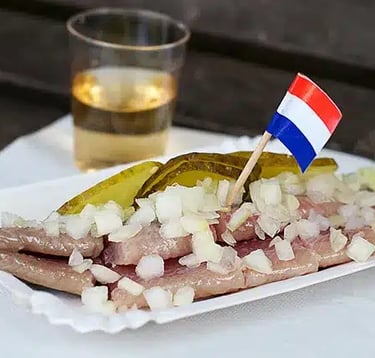
HARINGHAP
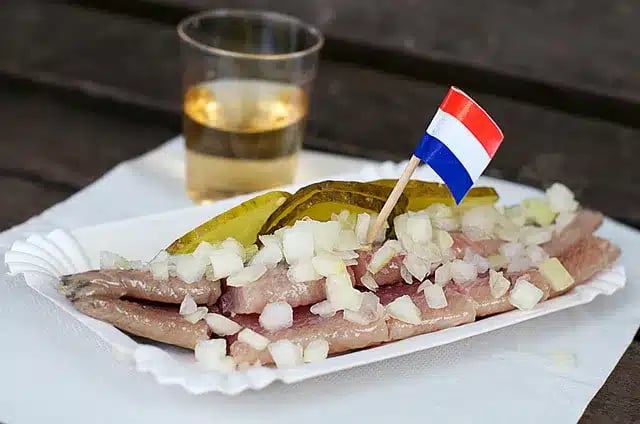
A haringhap refers to the traditional Dutch way of eating raw herring by holding the fish by the tail and lowering it into the mouth. This method of consumption is strongly associated with Dutch food culture and is widely recognized both within the Netherlands and abroad. The practice is closely linked to the seasonal availability of Hollandse Nieuwe, the first catch of young herring each year.
Herring has been an important part of the Dutch diet since the Middle Ages. The Netherlands developed advanced techniques for preserving herring, particularly through curing with salt, which allowed the fish to be stored and traded across Europe. This innovation played a major role in the rise of Dutch maritime trade and economic power. The consumption of raw or lightly cured herring became embedded in everyday food habits, especially in coastal and fishing communities.
The haringhap is most commonly associated with Hollandse Nieuwe, a specific preparation of young herring caught in late spring and early summer. These fish have a high fat content, which gives them a mild, soft texture and rich flavor. After being cleaned and lightly cured, they are frozen briefly to eliminate parasites and then thawed for consumption. The fish is typically served without cooking, preserving its natural taste.
Traditionally, the herring is eaten plain or accompanied by chopped raw onions and pickles. While many people now eat herring in bite sized pieces or on bread, the haringhap remains the most iconic presentation. Holding the fish by the tail is partly practical, as it allows the eater to consume the fish without utensils, and partly symbolic, emphasizing directness and simplicity.
Culturally, the haringhap is associated with seasonal rituals and public events. The arrival of the first Hollandse Nieuwe is marked by ceremonies, tastings, and media attention. The first barrel is often auctioned for charity, reinforcing the symbolic value of the product beyond its role as food. During the herring season, stalls selling fresh herring appear in cities and towns across the country.
For many Dutch people, eating a haringhap is a familiar and unremarkable activity, while for visitors it can appear unusual or challenging. This contrast has contributed to the dish’s reputation as a marker of Dutch identity. The act itself is often photographed and referenced in cultural descriptions of the Netherlands.
From a nutritional perspective, raw herring is rich in omega three fatty acids, protein, and vitamins. Historically, it provided an important source of nourishment, particularly for populations with limited access to fresh meat. Although modern diets are more varied, herring remains valued for both its taste and nutritional qualities.


KONINGSDAG
Koningsdag is the national celebration of the birthday of the Dutch monarch and is one of the most prominent public holidays in the Netherlands. It is celebrated annually on 27 April, unless that date falls on a Sunday, in which case the celebration is held on the preceding Saturday. Koningsdag marks the birthday of King Willem Alexander and replaced the former holiday Koninginnedag after his accession to the throne in 2013.
The tradition of celebrating the monarch’s birthday dates back to the late nineteenth century. It began as Prinsessedag in honor of Princess Wilhelmina and later became Koninginnedag when she became queen. For decades, Koninginnedag was celebrated on 30 April, the birthday of Queen Juliana, even during the reign of Queen Beatrix, who chose to retain the date out of respect for her mother. The shift to Koningsdag in 2014 marked both a change in monarch and a move to the actual birthday of the reigning king.
Koningsdag is characterized by nationwide public participation rather than formal ceremonies. Cities and towns across the country host street markets, concerts, and informal gatherings. The most distinctive element is the vrijmarkt, a large scale flea market where individuals are allowed to sell second hand goods without permits or taxes. This temporary suspension of normal commercial rules reflects the informal and egalitarian spirit of the day.
The color orange plays a central role in Koningsdag celebrations. Orange is associated with the Dutch royal family, the House of Orange Nassau, and is worn by participants in clothing, accessories, and face paint. Public spaces are decorated in orange, and the color functions as a visible symbol of national unity and loyalty to the monarchy.
Music and entertainment are important components of Koningsdag. Many cities organize open air stages featuring popular music, while bars and cafés extend opening hours. In large urban centers, especially Amsterdam, the celebration attracts significant crowds and requires extensive logistical planning to manage safety, transport, and sanitation. Despite its festive nature, Koningsdag is closely regulated by municipalities to maintain public order.
The royal family traditionally participates in Koningsdag by visiting one or more towns each year. During these visits, members of the royal family take part in local activities and games, highlighting regional traditions and community life. These appearances are broadcast nationally and serve to reinforce the connection between the monarchy and the public.
Economically, Koningsdag has a noticeable impact. Retail, hospitality, and tourism sectors benefit from increased spending, while informal trade during the vrijmarkt allows individuals, including children, to earn small amounts of money. This temporary blending of formal and informal economies is a distinctive feature of the holiday.
Culturally, Koningsdag functions as a shared national moment rather than a solemn state occasion. Participation is voluntary, and expressions of celebration range from family oriented activities to large scale urban festivities. The day emphasizes accessibility, informality, and collective presence in public space.
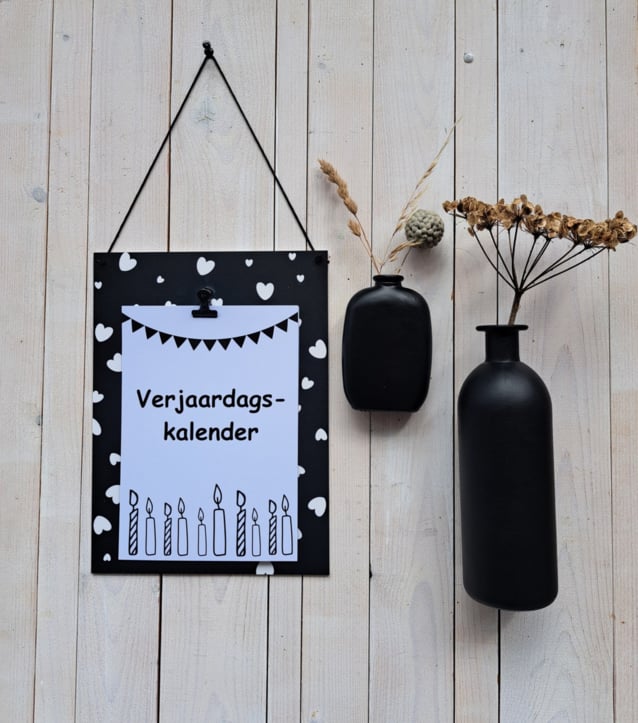
VERJAARDAGS KALENDAR
The Dutch toilet calendar, known in Dutch as a verjaardagskalender, is a wall calendar specifically designed to record birthdays and recurring annual events without reference to a particular year. Its most distinctive feature is its placement, traditionally inside the toilet. While this location may seem unusual from an external perspective, in the Netherlands it is a widely recognized and practical household custom.
The verjaardagskalender typically consists of twelve pages, one for each month, with the days listed but no years included. This format allows the calendar to be reused indefinitely, as birthdays occur on the same date each year. Names are written directly onto the calendar, creating a permanent overview of important personal dates. In addition to birthdays, some people include anniversaries or memorial dates, reinforcing its role as a long term personal record.
The placement of the calendar in the toilet is closely linked to Dutch domestic habits. The toilet is a private space where individuals spend short periods of time alone, often without distractions such as phones or conversation. Hanging the calendar at eye level makes it easy to read and review dates regularly. This repeated exposure increases the likelihood that birthdays are remembered, supporting the Dutch emphasis on punctuality and social obligation.
Historically, the custom developed in the twentieth century, when printed calendars became affordable and widely available. As homes standardized their layouts, the small separate toilet room common in Dutch houses became a convenient and consistent location. The practice aligns with a broader cultural tendency to use space efficiently and assign clear functions to each area of the home.
The verjaardagskalender also reflects Dutch attitudes toward planning and social responsibility. Remembering birthdays is considered important, and forgetting them can be seen as inattentive. The calendar functions as a practical tool to meet these expectations without relying on memory alone. Its simplicity contrasts with digital reminders, emphasizing visibility and routine rather than automation.
Culturally, the toilet calendar has become a subtle marker of Dutchness. It is frequently mentioned in discussions of everyday life and often surprises visitors. Despite its mundane appearance, it plays a meaningful role in maintaining social relationships. Because it is visible to guests using the toilet, it can also prompt conversation or recognition of shared acquaintances, reinforcing social connections.
The content of verjaardagskalenders often reflects personal identity. Many feature artwork, photography, cartoons, or themes such as landscapes, animals, or humor. Museums, charities, and cultural institutions commonly sell themed versions, making them popular gifts. Despite stylistic differences, their function remains consistent across households.
In recent years, digital calendars and smartphone reminders have become common, yet the traditional verjaardagskalender remains widespread. Many households use both systems simultaneously, valuing the physical presence of the calendar as a visual anchor. Its persistence demonstrates how analog tools can coexist with digital technology when they align closely with daily routines.
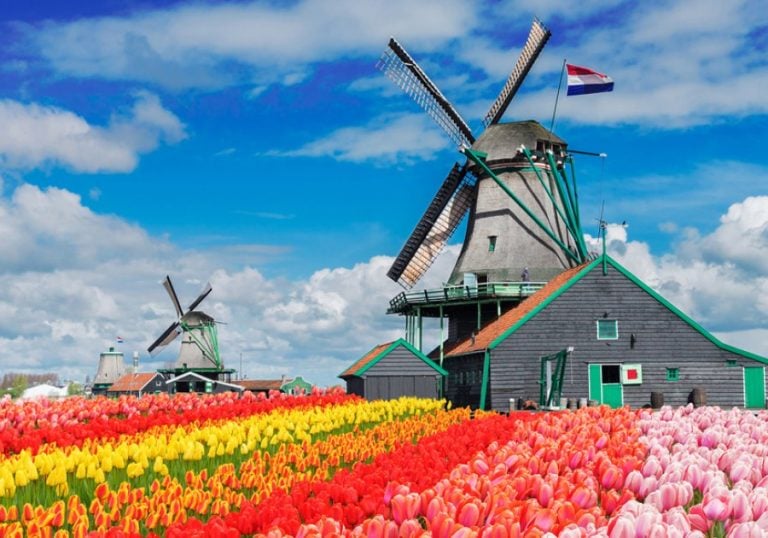
MOLEN
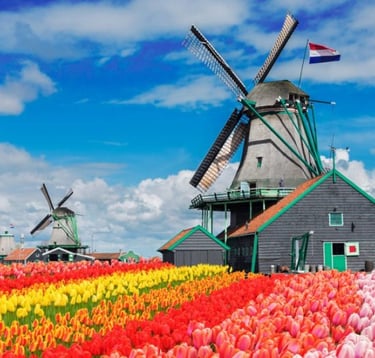
A molen is a windmill and represents one of the most recognizable elements of the Dutch landscape. While windmills exist in many parts of the world, the Dutch molen is distinctive because of its historical role in water management rather than decorative or purely agricultural purposes. In the Netherlands, windmills were essential tools that enabled large scale land reclamation, drainage, and economic development in a low lying and water rich environment.
The use of wind powered mills in the Netherlands dates back to the Middle Ages. Early mills were primarily used for grinding grain, sawing wood, and processing raw materials such as oilseeds and pigments. Over time, however, Dutch engineers adapted windmill technology to address the country’s greatest challenge: controlling water. Drainage mills were developed to pump water out of polders and low lying areas into higher canals and rivers, making agriculture and settlement possible on reclaimed land.
A traditional Dutch molen operates by capturing wind with large sails mounted on a rotating cap or body. The wind turns a system of gears connected to machinery inside the mill. In drainage mills, this mechanical energy drives scoop wheels or later Archimedean screws that lift water from lower levels to higher ones. This system allowed continuous water removal as long as wind conditions were sufficient, reducing flooding and stabilizing water levels.
There are several types of Dutch windmills, each adapted to specific functions and locations. Some are designed to rotate only the cap, while others turn the entire structure to face the wind. The internal layout and external form vary depending on whether the mill was intended for drainage, milling grain, sawing timber, or industrial production. These variations reflect centuries of technical refinement and regional adaptation.
The molen played a crucial role in the economic expansion of the Netherlands during the early modern period. By enabling efficient land reclamation, windmills increased agricultural output and supported population growth. Industrial windmills powered sawmills that supplied timber for shipbuilding, contributing to Dutch maritime dominance in the seventeenth century. In this sense, the molen was not only a rural feature but also a driver of urban and commercial development.
With the introduction of steam engines, electric pumps, and modern industrial machinery in the nineteenth and twentieth centuries, windmills gradually lost their functional necessity. Many were dismantled, abandoned, or replaced by more efficient systems. However, a significant number were preserved due to their historical and cultural value. Organizations and volunteers continue to maintain and operate traditional windmills to prevent deterioration and pass on technical knowledge.
Today, the molen functions primarily as a cultural symbol and heritage structure. While some windmills are still operational for demonstration or limited water management, most serve educational, touristic, or commemorative purposes. They are protected as historical monuments and feature prominently in national imagery.


EXPAND YOUR KNOWLEDGE
If you are serious about learning Dutch, we recommend that you download the Complete Dutch Master Course.
You will receive all the information available on the website in a convenient portable digital format as well as additional contents: over 15.000 Vocabulary Words and Useful Phrases, in-depth explanations and exercises for all Grammar Rules, exclusive articles with Cultural Insights that you won't find in any other textbook so you can amaze your Dutch friends thanks to your knowledge of their country and history.
With a one-time purchase you will also get hours of Podcasts to Practice your Dutch listening skills as well as Dialogues with Exercises to achieve your own Master Certificate.
Start speaking Dutch today!
For requests or suggestions: pr@dutchinstitute.com

Learn the official language of the Netherlands in 30 days thanks to the most complete Grammar, Vocabulary and Culture courses available. Start speaking today!
© Copyright 2026 Dutch Institute
Come visit the Netherlands!